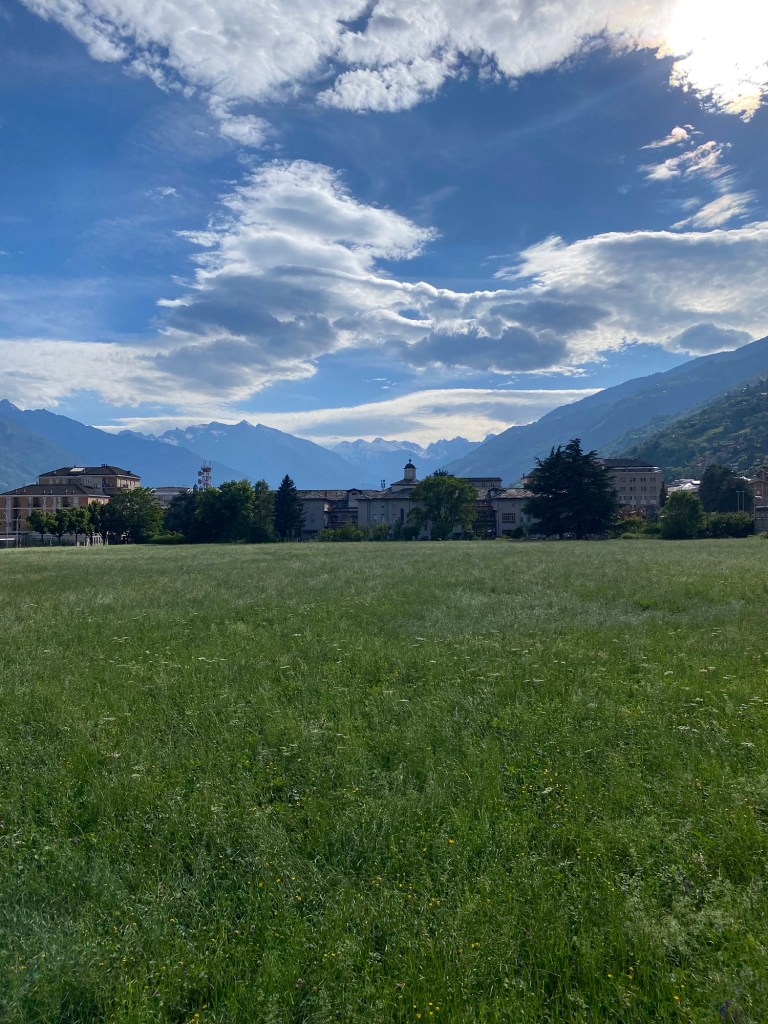
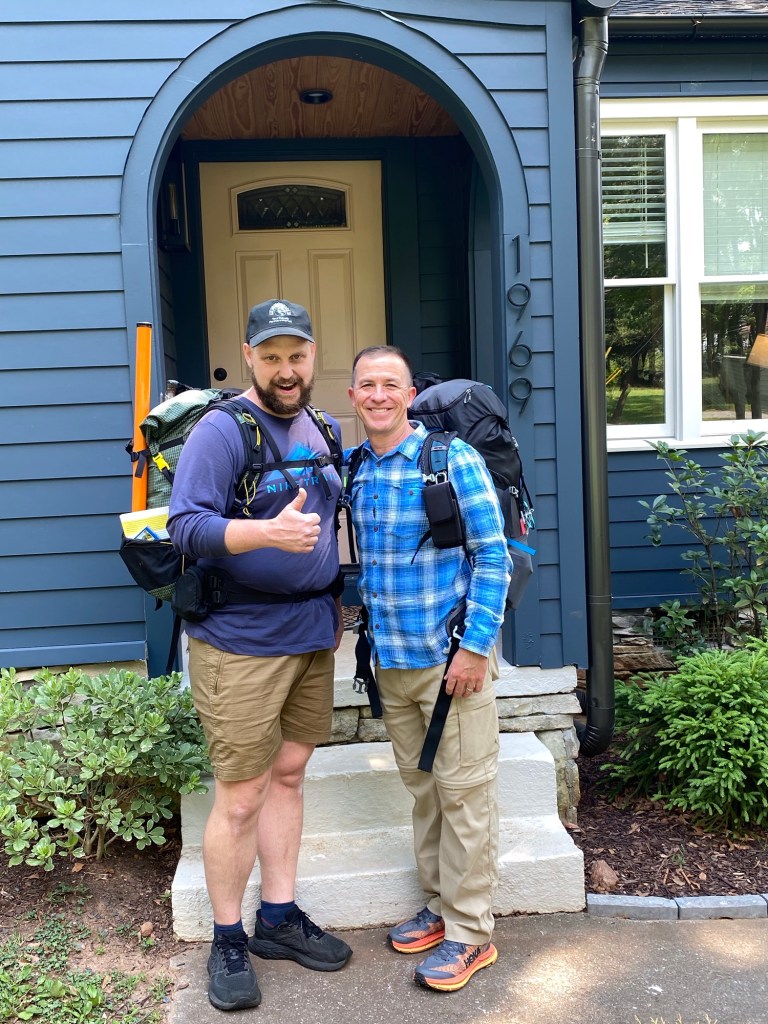
On Saturday, July 13th, my friend Gabe and I began our long journey from Atlanta to the City of Aosta in Aosta Valley, Italy to begin what I hope to be a 30-day journey from the Aosta Valley in the foothills of the Italian Alps to Tuscany along an ancient pilgrim route that begins in Canterbury, England and ends in Rome, Italy, the Via Francigena.
History
According to the UNESCO World Heritage Convention, the Via Francigena in Italy is the first and most important road that, in the Middle Ages, connected the countries beyond the western Alps (the land of the Franks) to Rome: the main destination – along with Jerusalem and Santiago di Compostela – for pilgrims who, at the time, travelled from all over Europe.
Dating back to the Longobard era, this road was not built from a single path but from a “bundle of roads”, that is, from a network of roads that converged at junctions or mandatory points of passage. The unifying factor of this complex network of routes – which has changed over time as a result of the changing political, geographical, economic and environmental conditions of the areas crossed – is that it has consistently been the preferred route for pilgrimages to Rome from the Middle Ages to the present day.
As a long-distance route between the capital of Christianity and the north-western quadrant of Europe, the Francigena – in its various functions over the centuries as a military and trade route, as well as a pilgrimage route – has united different values and traditions and represents a very important means of transmitting cultural messages from one part of Europe to the other. Within this authentic, economic and cultural road system, the Italian stretch is marked by the development of new settlements (which have sometimes become cities), by the growth of economic and fruitful activities in the cities and areas involved, and by the spread of all major artistic cultures that have followed one another since the Middle Ages.
The proposed route includes the entire network of routes that make up the Via Francigena in Italy, from the Alpine passes (Great St Bernard Pass, Moncenisio, Monginevro) to Rome, with a total linear extension of about 1,200km, through seven of the central northern Italian regions (Valle d’Aosta, Piedmont, Lombardy, Liguria, Emilia Romagna, Tuscany and Lazio). The route network is associated with the most significant structures connected to it: cities and rural settlements, old and new; monastic complexes; places of worship; buildings for reception, hospitality and assistance; equipment for rest-stops; defensive structures (castles, forts, fortresses, towers and strongholds), artefacts and road infrastructure (bridges, fords, ports).


Context
While I’ve done my share of weekend hikes and camping trips over the years, climbed two or three challenging mountains and completed a section of the Camino de Santiago in Spain over a 10-day stretch in 2019, my friend Gabe is the real McCoy – a bona-fide Appalachian Trial through-hiker having traveled solo straight from Maine to Georgia (3,525 km/2,190 miles). For context, I may experience roughly 15% of that distance if my 55-year old frame withstands the day-to-day challenge offered by the kilometers hiked and elevation changes in Italy’s summer heat. I’ve never approached a hike of this length.
Experience
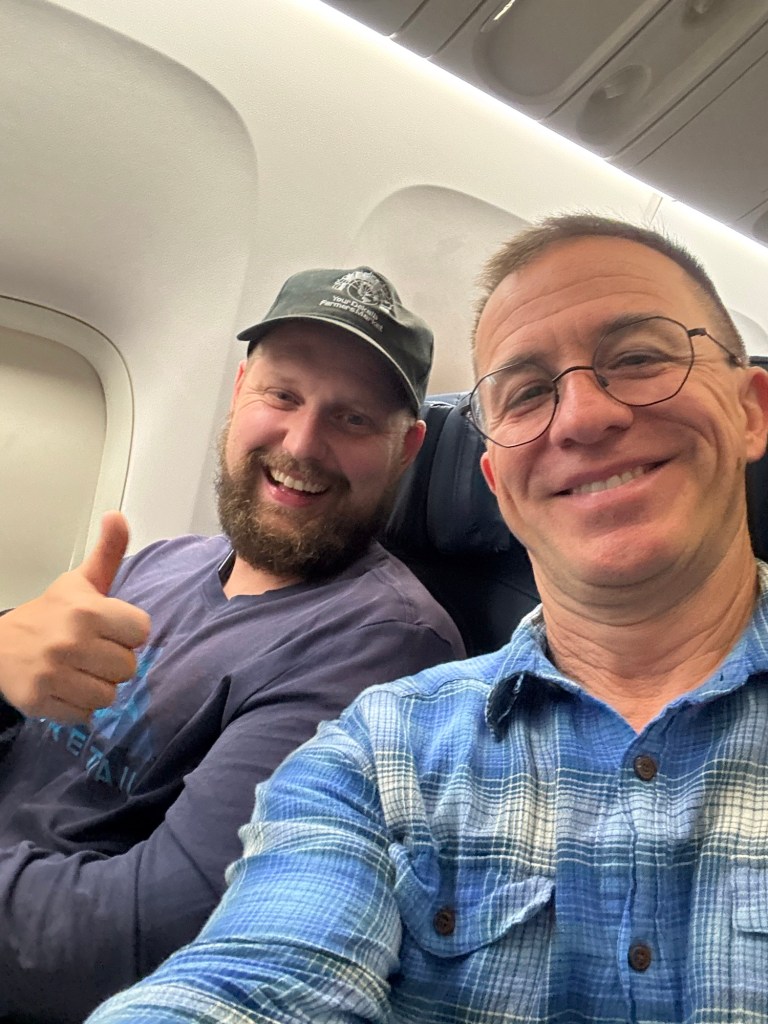
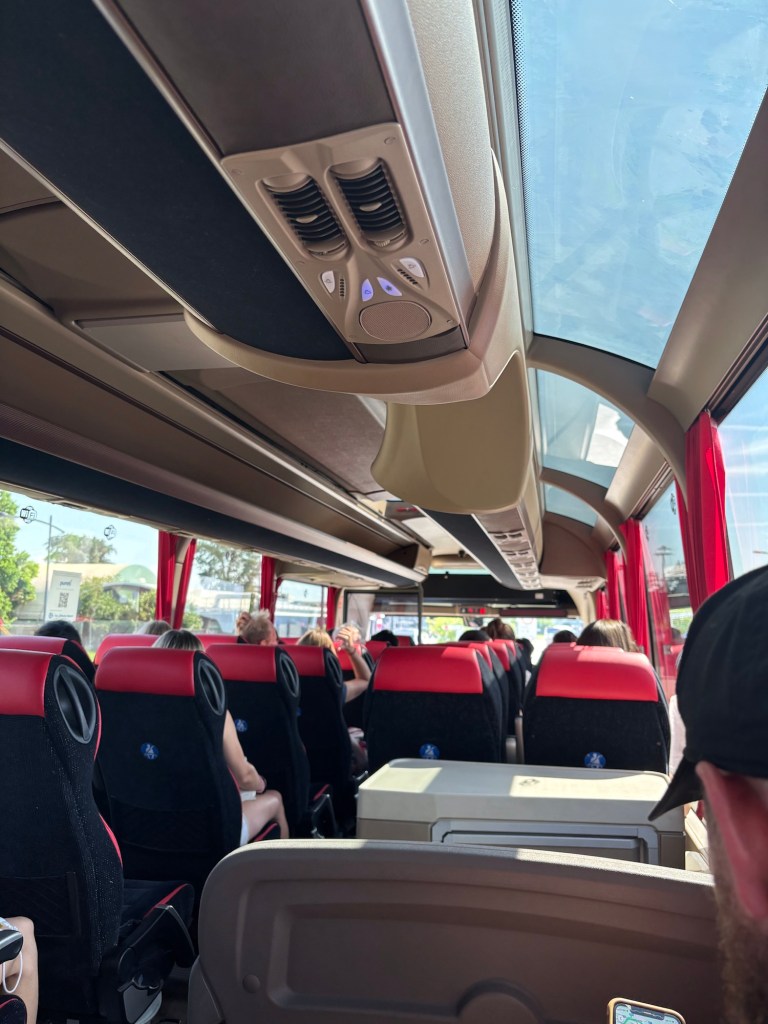
Our travel from Atlanta to Milan to Aosta was relatively uneventful as we landed in Milan and felt our way through the airport and onto a bus to take us to the City Center to yet another bus to take us to Aosta. Still unsure as to why, but my Google Maps application failed to update to local time, rendering it useless for navigating public transit. Gabe’s Google Maps worked just fine as he navigated us to a departing bus for the City Center in Milan, made a split-second decision to hop off said bus (and the GPS route) mid-trip for a “shortcut” to our next destination: a direct bus trip to Aosta. As a result, we avoided a trip deeper into the city and arrived at the second bus station in time to catch the Aosta bus. I was very confident following Gabe’s lead and felt very affirmed in my choice of hiking partners for the first week of my 30-day trip.


Musings
Over the course of the next 30 days I hope the pace and experiences of a pilgrim’s walk will afford me time and space for contemplation on all manner of life in a similar way to that of the brief pilgrimage in Spain five years ago. There are very few antidotes for the hurried pace of our Western culture better than a long, unhurried walk in a beautiful setting.
I write my musings, experience, thoughts and prayers in a private journal almost every day as many of you know. If something stirs during the course of this walk and is deemed worthy of sharing, I’ll share it here.
Thanks for reading and thanks for walking with me …


 Wander With Me
Leave a comment